Attic Radiant Barrier Insulation Explained: Benefits, Costs, and Installation Tips

As homeowners search for smart ways to cut energy costs and enhance comfort, attic radiant barrier insulation has emerged as a game-changing solution. Radiant barriers are specially designed materials that reflect heat rather than absorb it, making them especially valuable in regions with hot climates. If you’ve been considering an upgrade for your attic, this guide will explain everything you need to know about attic radiant barrier insulation, including its key benefits, cost factors, and crucial installation tips. We’ll also discuss why it’s wise to install radiant barrier insulation through professionals and how attic insulation installers can ensure the job is done correctly.
What is Attic Radiant Barrier Insulation?
Attic radiant barrier insulation is a reflective insulation system typically made of a highly reflective material like aluminum foil. Unlike traditional insulation that slows down heat transfer, radiant barriers work by reflecting radiant heat away from your living space. This unique approach helps maintain a more consistent indoor temperature, especially during hot summer months.
Radiant barriers are installed primarily in attics because this is where most heat enters a home. By reducing the heat gain through the roof, these barriers ease the burden on your cooling system, leading to improved energy efficiency.
Benefits of Attic Radiant Barrier Insulation
There are numerous compelling reasons homeowners choose to install radiant barrier insulation in their attic spaces:
1. Energy Savings
Radiant barriers can significantly reduce cooling costs by reflecting up to 97% of radiant heat. Homes with attic radiant barrier insulation report savings of 5-10% on energy bills during peak summer months. The larger the attic and hotter the climate, the greater the potential savings.
2. Enhanced Comfort
One of the biggest advantages of radiant barrier insulation is a noticeable improvement in indoor comfort. With reduced heat gain, your home stays cooler without overworking your air conditioning system, ensuring a pleasant indoor environment year-round.
3. Improved HVAC Performance
When the attic temperature is lowered by reflective insulation, your HVAC unit doesn’t have to work as hard. This reduced workload translates to longer equipment lifespan, fewer repairs, and more efficient cooling.
4. Quick Payback Period
Thanks to energy savings, most homeowners can recover their initial investment in attic radiant barrier insulation within 3-5 years. This makes it a financially smart home improvement project with both immediate and long-term returns.
5. Moisture Control
Some radiant barriers come with perforations that allow vapor to escape, reducing the chances of moisture buildup and subsequent mold growth. This adds an extra layer of protection to your attic space.
Cost of Attic Radiant Barrier Insulation
When budgeting for attic radiant barrier insulation, it’s important to understand the various cost factors that influence the final price.
1. Material Costs
The cost of radiant barrier materials typically ranges between $0.15 and $0.75 per square foot. Higher-end products with reinforced layers or perforations for ventilation tend to be more expensive but offer better durability and performance.
2. Labor Costs
If you choose professional attic insulation installers, labor can cost an additional $0.50 to $1.50 per square foot. The cost varies depending on attic accessibility, complexity of installation, and regional labor rates.
3. Total Average Cost
On average, homeowners can expect to pay between $1,200 and $3,000 to install radiant barrier insulation in a typical attic. While DIY options exist, hiring attic insulation installers ensures safety, proper coverage, and maximum energy efficiency.
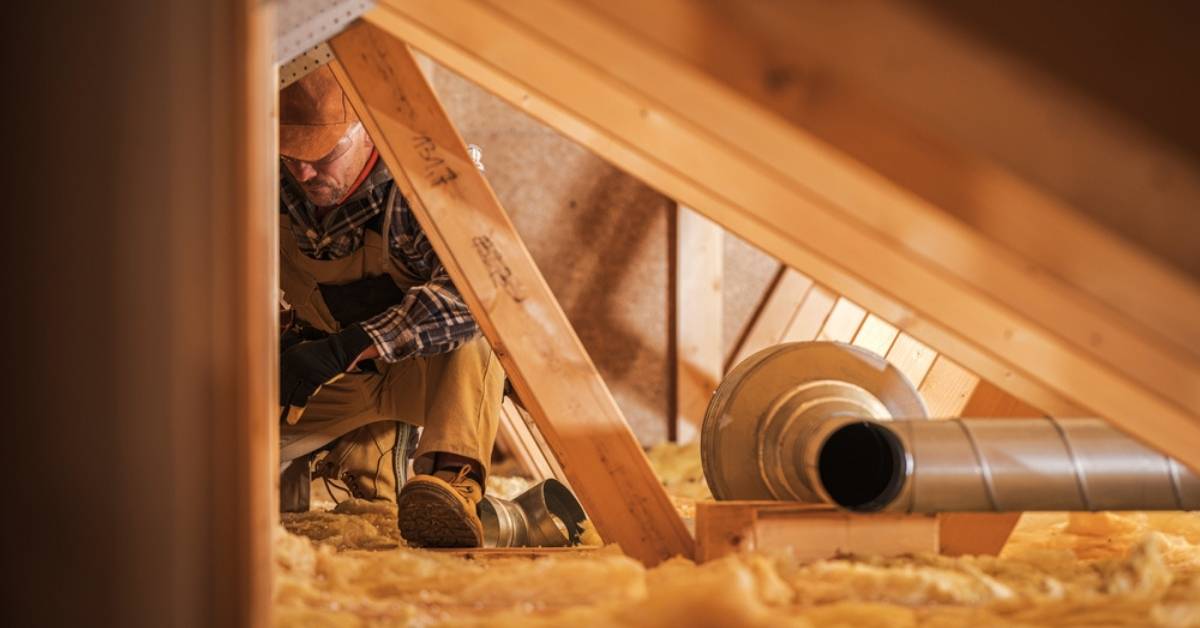
How to Install Radiant Barrier Insulation: DIY vs Professional Installers
When it comes to install radiant barrier insulation, homeowners are often torn between doing it themselves or hiring attic insulation installers. Here’s what you should know:
DIY Installation
Pros: Lower upfront costs, flexible scheduling, and satisfaction from completing a home improvement project.
Cons: Safety hazards, risk of improper installation, and possible reduction in insulation effectiveness.
DIY radiant barrier insulation typically involves stapling large reflective sheets to the attic rafters or laying them over existing insulation. While it may seem straightforward, incorrect installation can lead to poor performance and wasted investment.
Professional Installation
Pros: Safe and efficient installation, warranty-backed services, and maximum energy savings through proper techniques.
Cons: Higher upfront cost.
Experienced attic insulation installers know how to handle radiant barriers correctly. They consider attic ventilation, existing insulation conditions, and optimal positioning to ensure the best performance.
Tips for Installing Radiant Barrier Insulation Effectively
Whether you choose the DIY route or hire attic insulation installers, keep these tips in mind for the most effective attic radiant barrier insulation:
1. Focus on Attic Rafters
The best place to install radiant barriers is along the attic rafters. This position reflects heat before it can enter the attic, keeping the entire space cooler.
2. Leave Adequate Ventilation
Never block attic ventilation. Radiant barriers work best when combined with good airflow, which allows heat and moisture to escape effectively.
3. Avoid Dust Accumulation
Dust buildup on radiant barriers can reduce their reflective properties. Choose products with anti-dust coatings or make sure your attic stays clean and well-ventilated.
4. Combine with Traditional Insulation
For maximum efficiency, combine attic radiant barrier insulation with traditional fiberglass or cellulose insulation. This dual approach reduces both conductive and radiant heat transfer.
5. Choose High-Quality Materials
Always use radiant barrier products that meet ASTM C1313 standards. High-quality materials last longer and provide consistent energy-saving benefits.
Why Hire Attic Insulation Installers?
Opting for professional attic insulation installers offers several advantages:
Expert Assessment: Professionals inspect your attic and recommend the best type of radiant barrier for your home.
Proper Installation: They ensure no gaps, proper overlap, and secure attachment, maximizing performance.
Time-Saving: Professionals complete the job quickly and safely, saving you from hours of challenging attic work.
Energy Savings Guarantee: Many installers offer warranties and performance guarantees, giving you peace of mind.
If you are serious about maximizing the efficiency of attic radiant barrier insulation, it’s a smart decision to hire experts who specialize in this service.
Conclusion
Investing in attic radiant barrier insulation is one of the most cost-effective ways to improve your home’s energy efficiency, comfort, and HVAC performance. With potential energy savings of up to 10%, a relatively quick payback period, and improved indoor comfort, it’s a smart move for any homeowner.
Whether you’re planning to install radiant barrier insulation yourself or through professional attic insulation installers, understanding the benefits, costs, and proper installation techniques is key to getting the most from your investment.
Don’t let rising energy bills take a toll on your wallet. Explore attic radiant barrier insulation today and take a big step towards a more energy-efficient and comfortable home!


